
Points Of Difference
What Makes PhysioWell Inala Physiotherapy Different?
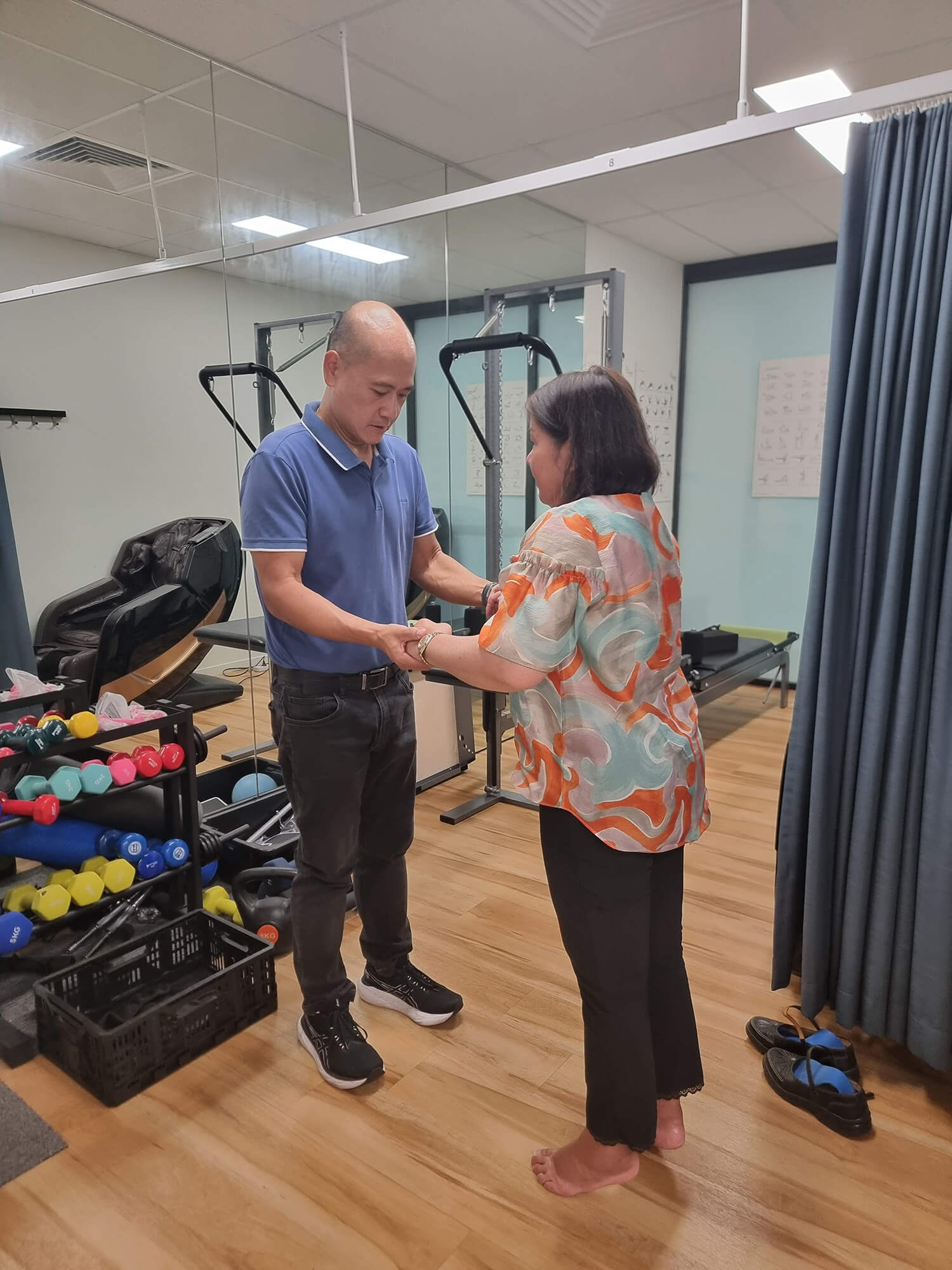
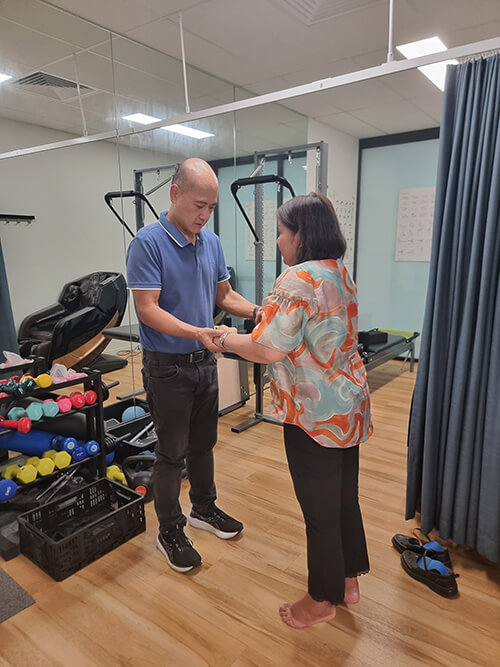
At our Inala clinic, all NDIS physio sessions, as well as physio for the elderly, are founded on strong community connections, cultural understanding, and personalised care.
We offer a welcoming environment that respects your individual needs and supports better, longer-lasting outcomes.
Multicultural Team
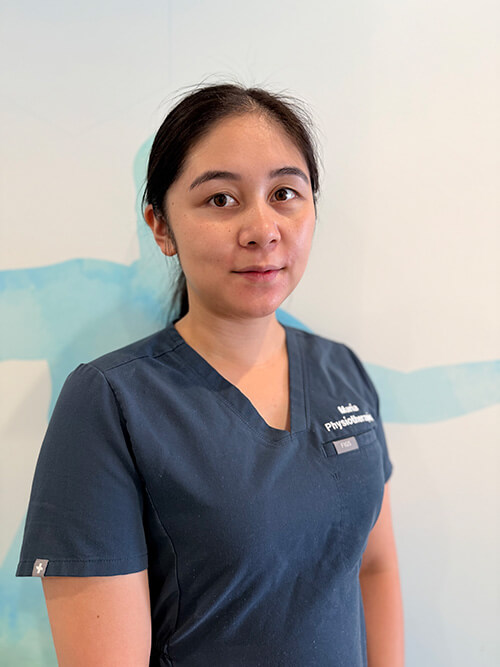
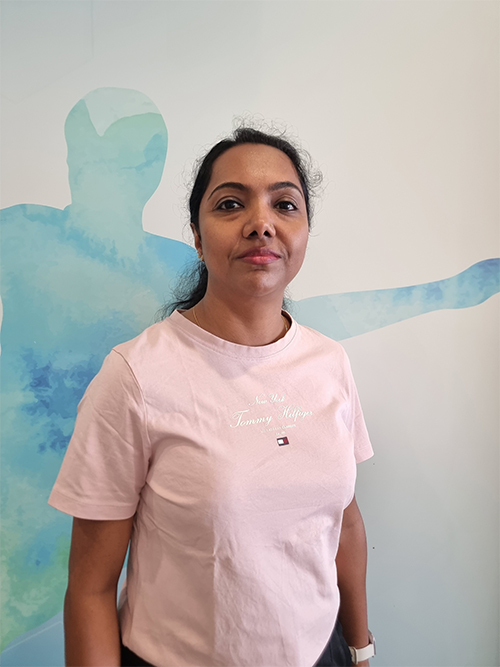
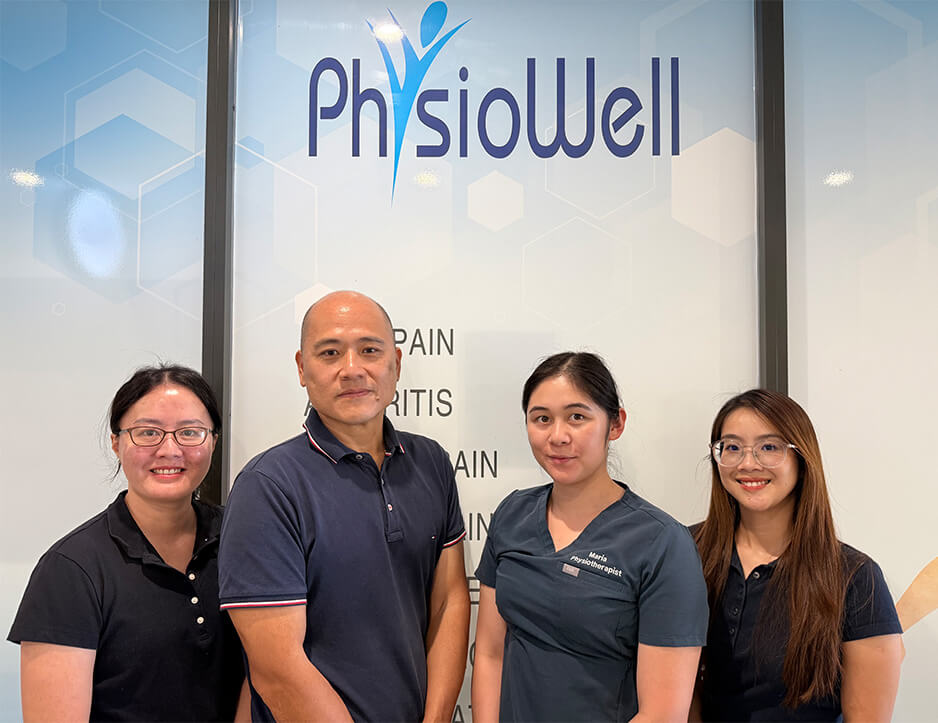
Our team reflects the diverse Inala community, helping NDIS participants and our elderly patients feel understood and supported. Through clear communication and culturally aware care, we create an environment where you feel comfortable and respected.
Male and Female Physiotherapists
Access to both male and female physiotherapists ensures that care is delivered in ways that align with your personal preferences, helping NDIS participants and older patients feel at ease during their treatments.
Private Rooms for Female Patients
We offer private treatment spaces for female patients, creating a safe and respectful environment where elderly clients and NDIS participants receive care with comfort, dignity, and cultural sensitivity.
Physio for the Elderly & NDIS Participants
Whether it’s physio for the elderly or NDIS physio for funded participants, our focus is on improving your mobility, strength, and independence. We customise your treatment so it’s tailored to your unique needs, goals, and level of ability.
Conditions We Treat
Some conditions we treat are common among both NDIS participants and the elderly, while others are more specific to your individual needs and health considerations.
Conditions commonly treated for both NDIS participants and the elderly:
- Chronic pain (e.g. back, neck, joint pain).
- Arthritis and joint stiffness.
- Balance and mobility issues.
- Falls risk and prevention.
- Post-surgical rehabilitation (e.g. joint replacements).
- Muscle weakness and deconditioning.
- Reduced flexibility and movement limitations.
Conditions commonly treated for NDIS participants:
- Neurological conditions (e.g. cerebral palsy, multiple sclerosis, stroke).
- Developmental and physical disabilities.
- Functional movement challenges.
- Coordination and motor control difficulties.
- Postural issues related to long-term conditions.
- Support for daily living and independence goals.
Conditions commonly treated in the elderly:
- Osteoporosis and age-related bone loss.
- Age-related balance decline and frailty.
- Reduced strength and endurance.
- Mobility decline linked to ageing.
- Falls and fear of falling.
- Degenerative conditions (e.g. osteoarthritis progression.
Reflecting the Community We Serve
Our multicultural team reflects the diversity of the Inala community, providing inclusive, respectful care with clear communication and personalised treatments for all our clients.




Work with a Team That Gets Results
Enjoy strong support and diverse clinical caseloads.
Frequently Asked Questions
Can I use my NDIS funding for physiotherapy?
Yes. NDIS physio in Inala is covered under your funding when it’s directly related to your disability and supports your goals. For example, when your mobility, independence, and overall function are part of your approved plan.
Do you accept self-managed and plan-managed NDIS participants?
Yes. At PhysioWell Inala Physiotherapy, we work with both self-managed and plan-managed NDIS participants. This provides flexibility in how you access care and allows us to tailor your physiotherapy around your goals and needs.
What conditions do you treat under NDIS physiotherapy?
NDIS physiotherapy at our Inala clinic supports a wide range of conditions, including neurological disorders, physical disabilities, mobility challenges, and functional limitations. Treatment is always tailored to improve your independence, strength, and day-to-day movements.
What does physio for the elderly involve?
At our Inala clinic, physio for the elderly focuses on maintaining your mobility, strength, and independence. It often includes balance training, strength exercises, pain management, and support with everyday activities to help you stay active and safe.
Can physiotherapy really help prevent falls in older people?
Yes. Physiotherapy for the elderly plays a key role in reducing the risk of falls. Through targeted exercises, balance training, and strength work, we improve your stability and coordination when moving, sitting, standing and walking.
Can family members or carers be involved in sessions?
Yes. Involving family members and carers can provide extra support during your treatment sessions and keep you on track between sessions.