
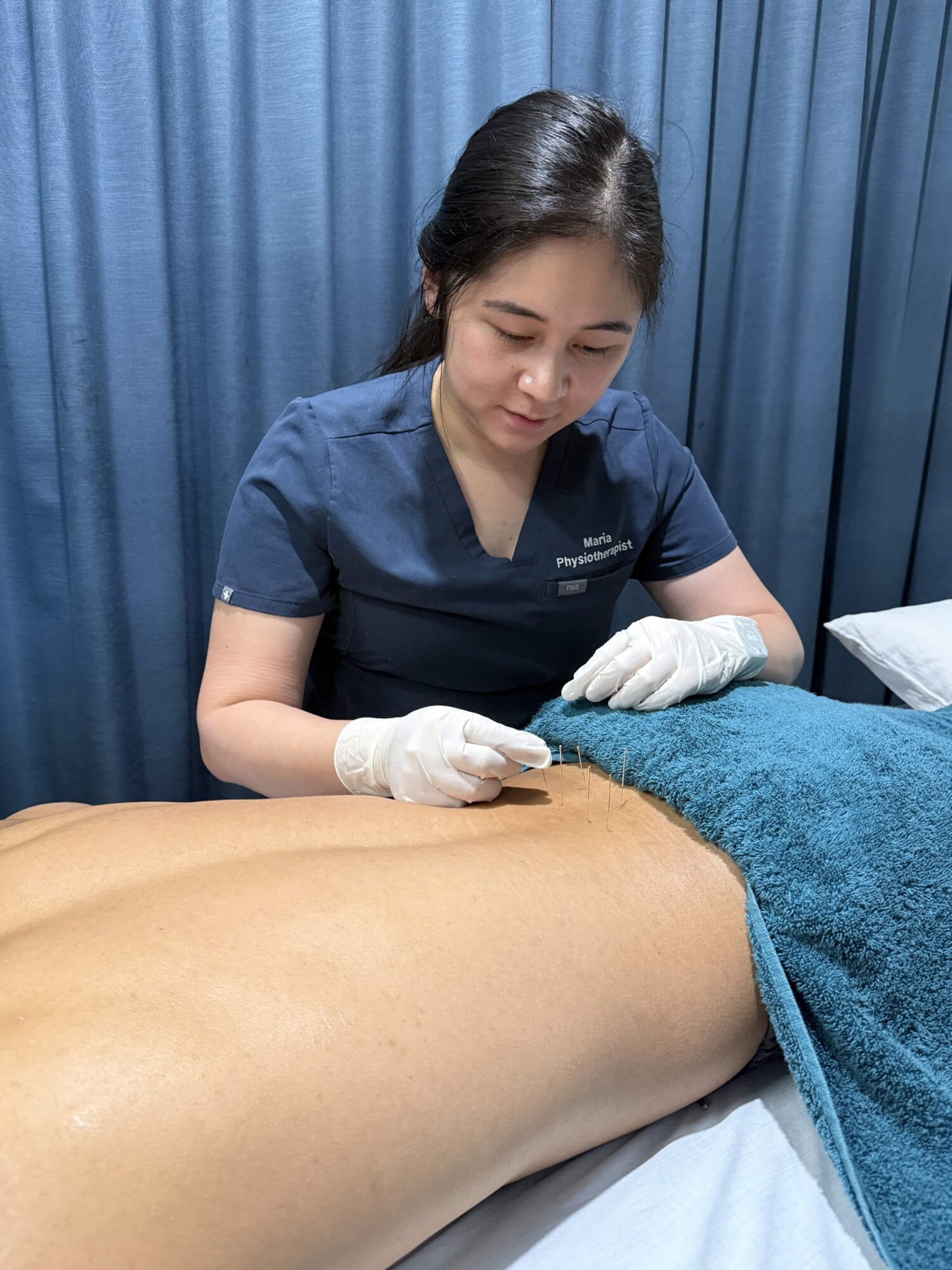
Points Of Difference
What Makes PhysioWell Inala Physiotherapy Different?
Our Inala clinic is defined by a strong community connection, cultural understanding, and personalised care, creating a welcoming environment that respects individual needs and supports better outcomes.
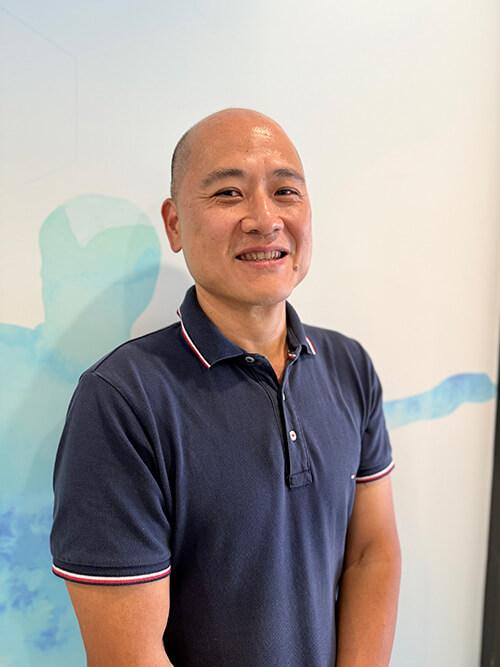
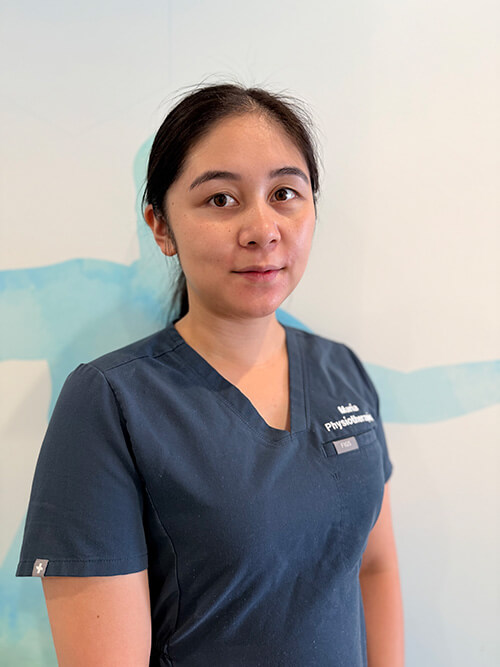
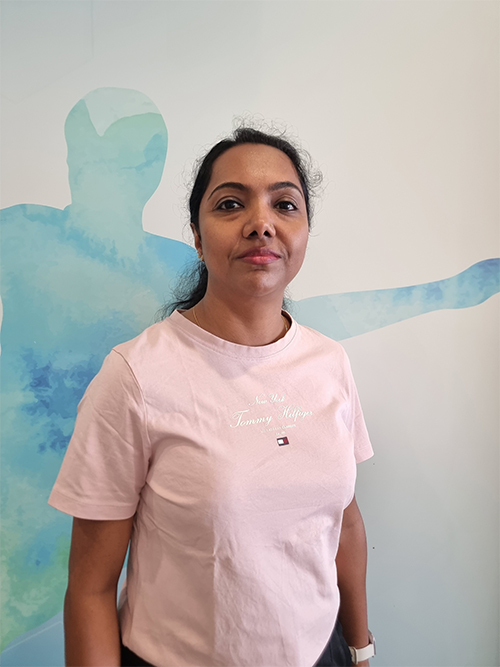
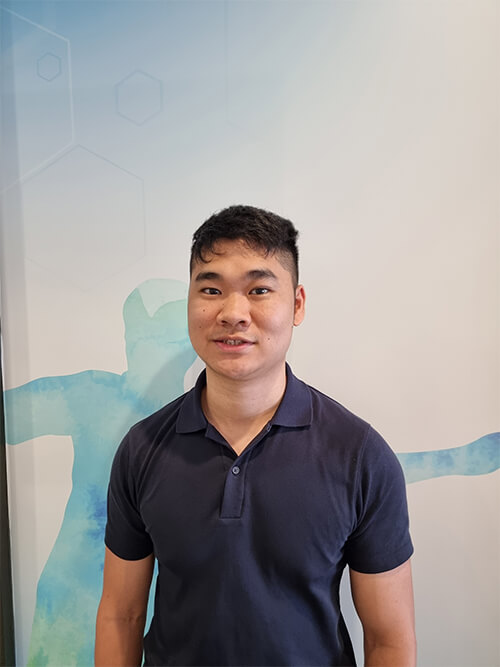
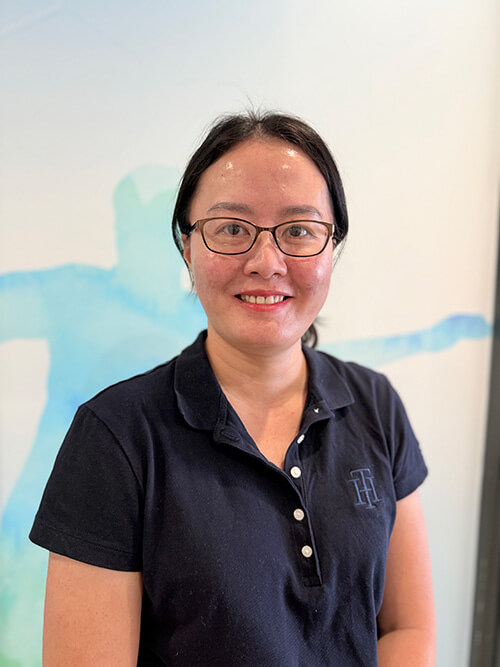
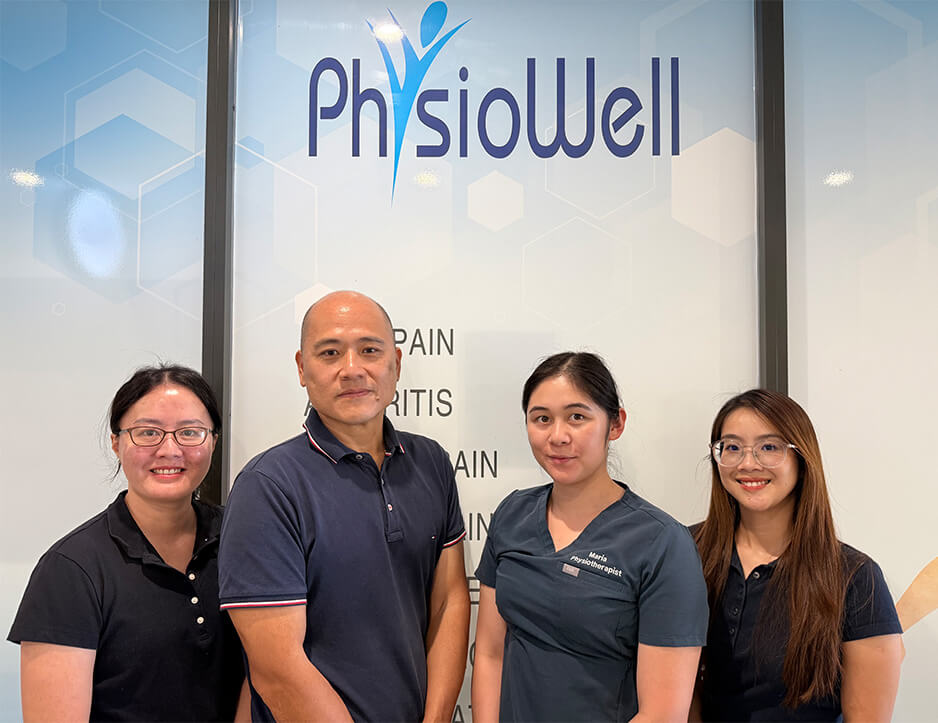
Multicultural Team
Our team reflects the diverse Inala community, allowing us to communicate effectively, respect cultural differences, and provide care that feels familiar, supportive, and genuinely understood.
Male and Female Physiotherapists
Providing the option of male or female physiotherapists at our Inala clinic allows us to offer acupuncture and dry needling treatments in ways that respect your personal and cultural preferences.
Private Rooms for Female Patients
We offer dedicated private spaces for female patients, ensuring a secure and comfortable environment where your care is delivered with dignity and cultural sensitivity.
Dry Needling and Acupuncture
At our Inala clinic, acupuncture and dry needling therapy form part of our targeted, evidence-based approach to reducing your pain, improving mobility, and supporting your recovery journey.
Conditions We Treat
At PhysioWell Inala Physiotherapy, we use dry needling therapy and acupuncture to treat a wide range of conditions, with some benefits overlapping and others more suited to each specific approach.
Dry needling therapy commonly treats:
- Muscle tightness and trigger points.
- Sports injuries (e.g. strains and overuse injuries).
- Tendinopathy (e.g. Achilles, patellar, tennis elbow).
- Neck, shoulder, and back pain linked to muscle dysfunction.
- Movement restrictions and muscle imbalances.
- Post-surgical rehabilitation and recovery.
- Postural-related pain.
Acupuncture commonly treats:
- Stress and anxiety.
- Headaches and migraines.
- Sleep disturbances (insomnia).
- Digestive issues.
- Hormonal imbalances (e.g. menstrual symptoms).
- General well-being and energy regulation.
Both dry needling and acupuncture treat:
- Acute and chronic pain.
- Neck and back pain.
- Shoulder pain.
- Knee pain.
- Tension headaches.
- Arthritis and joint pain.
- Sciatica and nerve-related pain.
What is Dry Needling?
Dry needling uses fine needles to release trigger points. It’s commonly used to relieve muscle tightness, improve joint flexibility, and reduce musculoskeletal pain.
- Targets specific muscles and trigger points.
- Based on modern anatomy and physiotherapy principles.
- Focused on pain relief and restoring movement.
- Commonly used for injuries and muscle dysfunction.
What is Acupuncture?
Acupuncture involves inserting fine needles into specific points on the body to support internal balance, natural healing, and improve overall well-being.
- Based on Traditional Chinese Medicine principles.
- Aims to restore balance within the body.
- Supports pain relief and overall health.
- Used for both physical and systemic conditions.
Reflecting the Community We Serve
Our multicultural team reflects the diversity of the Inala community, providing inclusive, respectful care with clear communication and personalised treatments for all our clients.

Work with a Team That Gets Results
Enjoy strong support and diverse clinical caseloads.
Frequently Asked Questions
What’s the difference between dry needling and acupuncture?
Dry needling therapy focuses on relieving muscle tightness and trigger points using a physiotherapy-based approach. Acupuncture is founded in Traditional Chinese Medicine and aims to support overall health, reduce pain, and restore balance within your body.
Is dry needling safe?
Yes. Dry needling is safe when performed by a qualified physiotherapist. At PhysioWell Inala Physiotherapy, all our treatments follow strict clinical guidelines to ensure your safety, comfort, and the best possible outcomes.
Are there any side effects from dry needling or acupuncture?
Most side effects are mild and short-lived. You may experience slight soreness, minor bruising, or fatigue after your treatment, which typically settles within 24 to 48 hours.
Is acupuncture effective for chronic pain?
Yes. Acupuncture is commonly used at our Inala clinic to manage chronic pain, helping to reduce your discomfort, ease stiffness, and increase joint mobility. When combined with other treatments, it can enhance overall outcomes and support more consistent, longer-term relief.
Is acupuncture safe during pregnancy?
Yes. Acupuncture can be safe during pregnancy when performed by a trained practitioner. Specific acupuncture points are avoided, and each treatment is carefully tailored to support the safety and well-being of both mother and baby.